
Learn More About Medical 3D Printers
Medical 3D Printers for Healthcare & Medical Manufacturing
3D printing gives healthcare organisations, medical device manufacturers, researchers and product developers the ability to produce accurate models, prototypes, tooling and selected end-use parts directly from digital designs.
Whether you need a compact medical 3D printer for regular production or a large-format system for bigger parts and higher throughput, our team can help determine the most suitable printer, material and equipment package for your application.
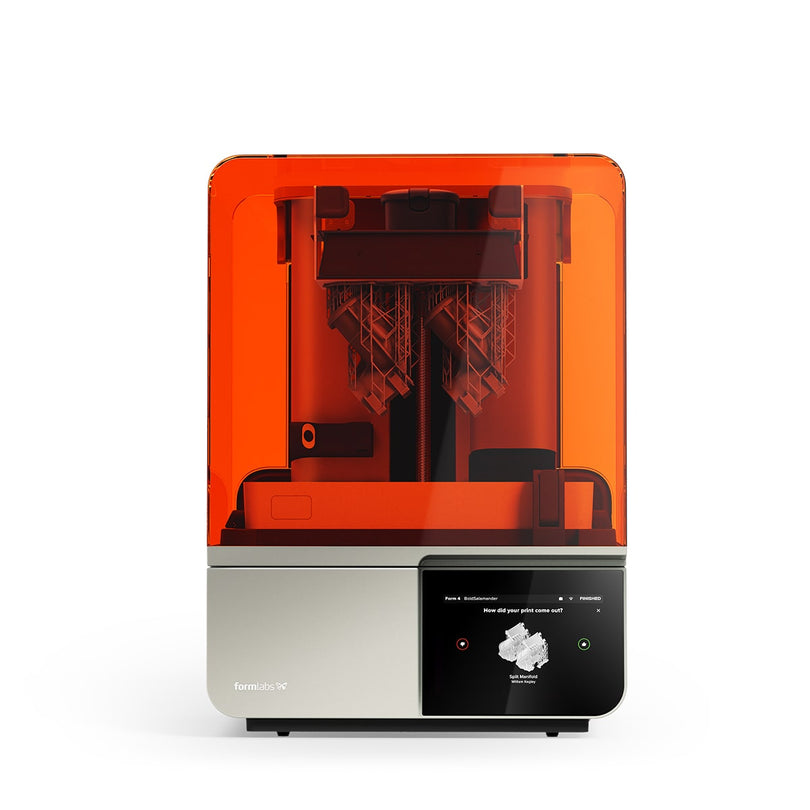
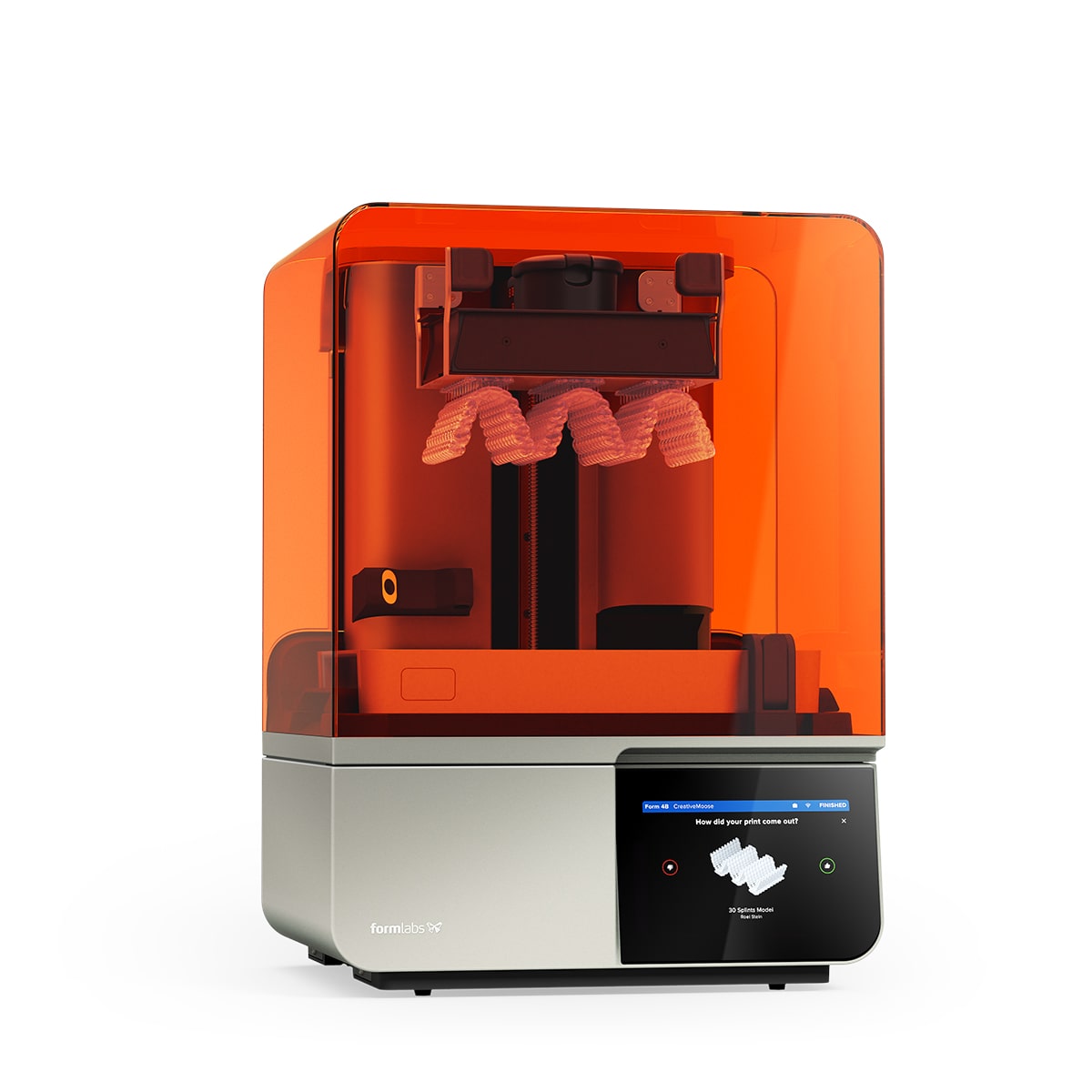
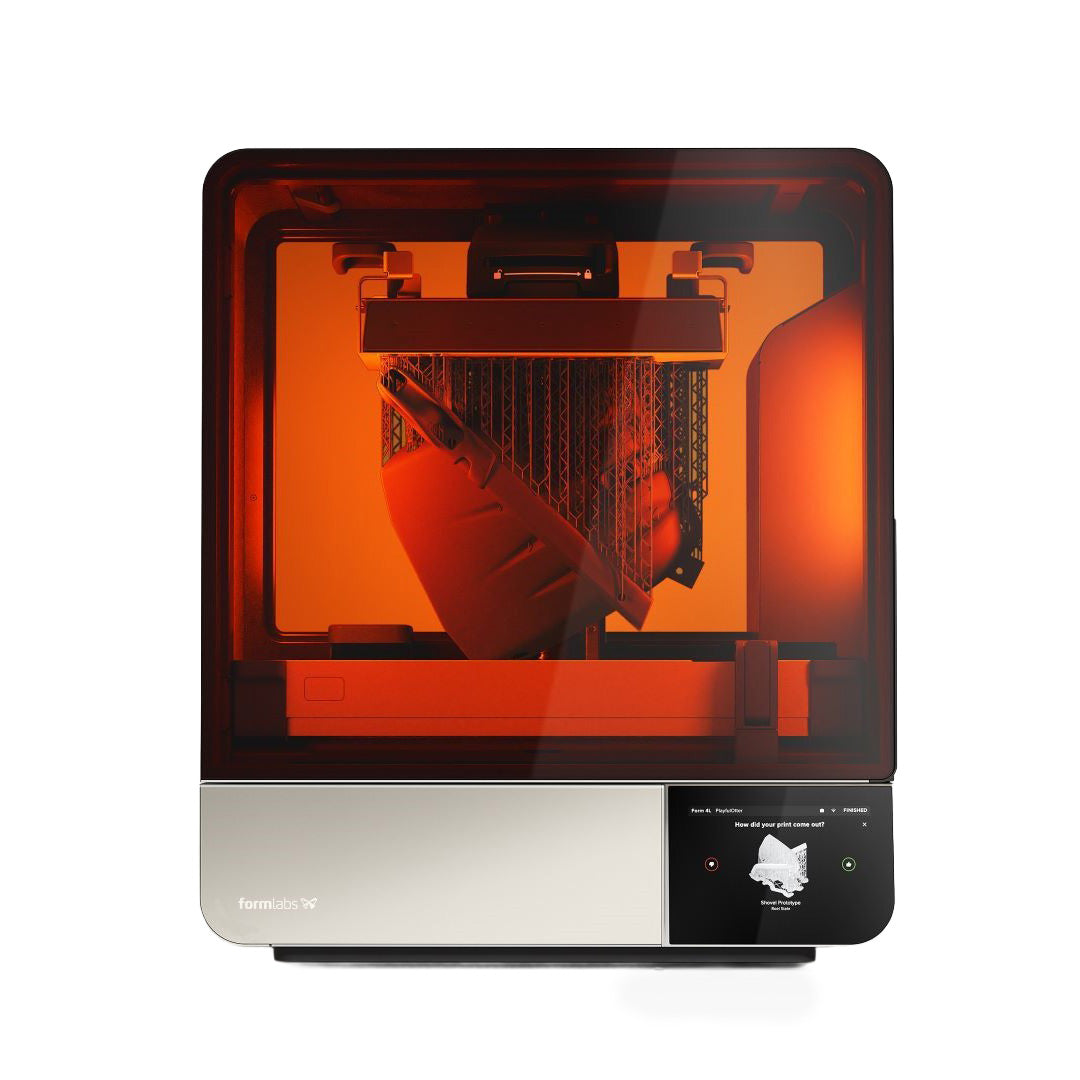
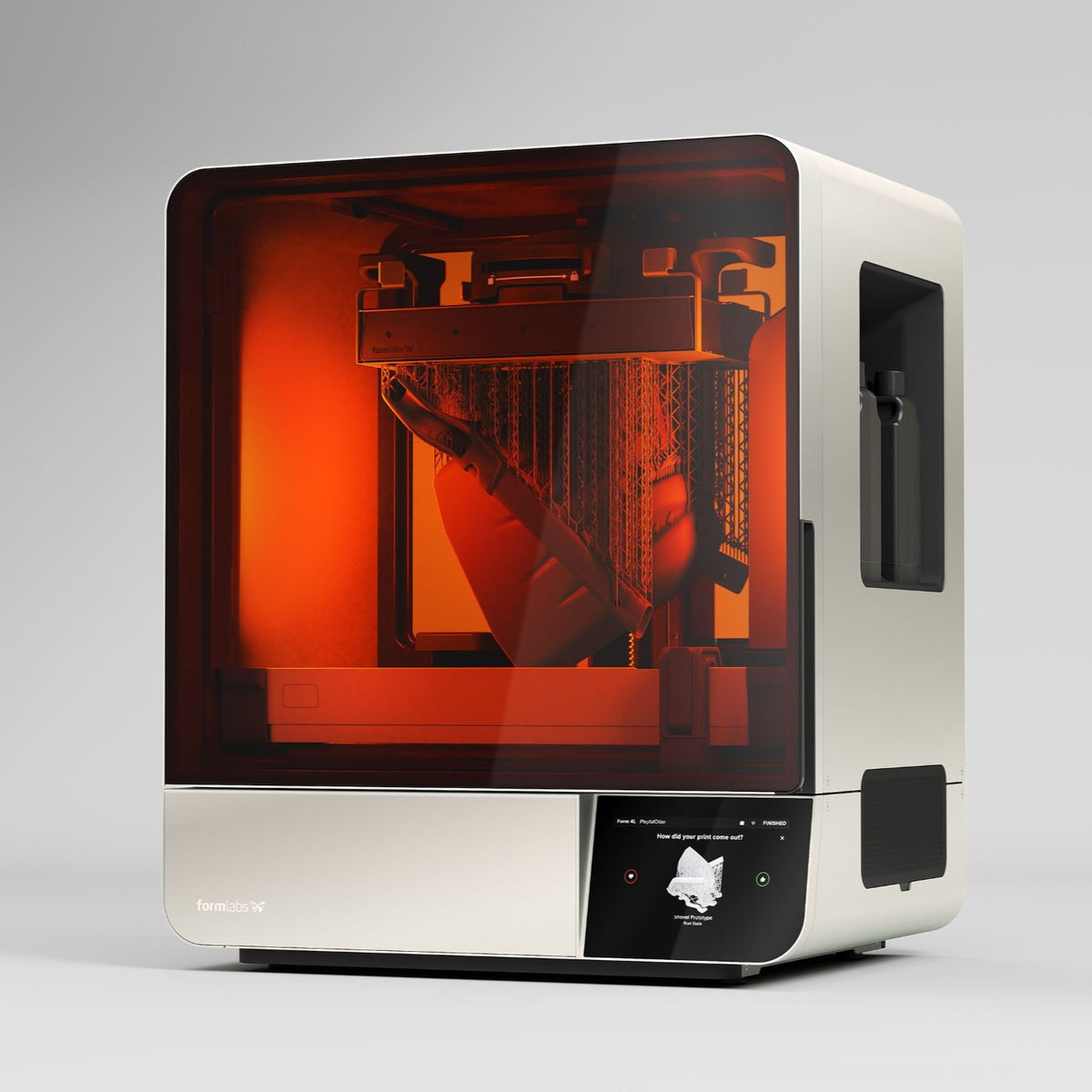
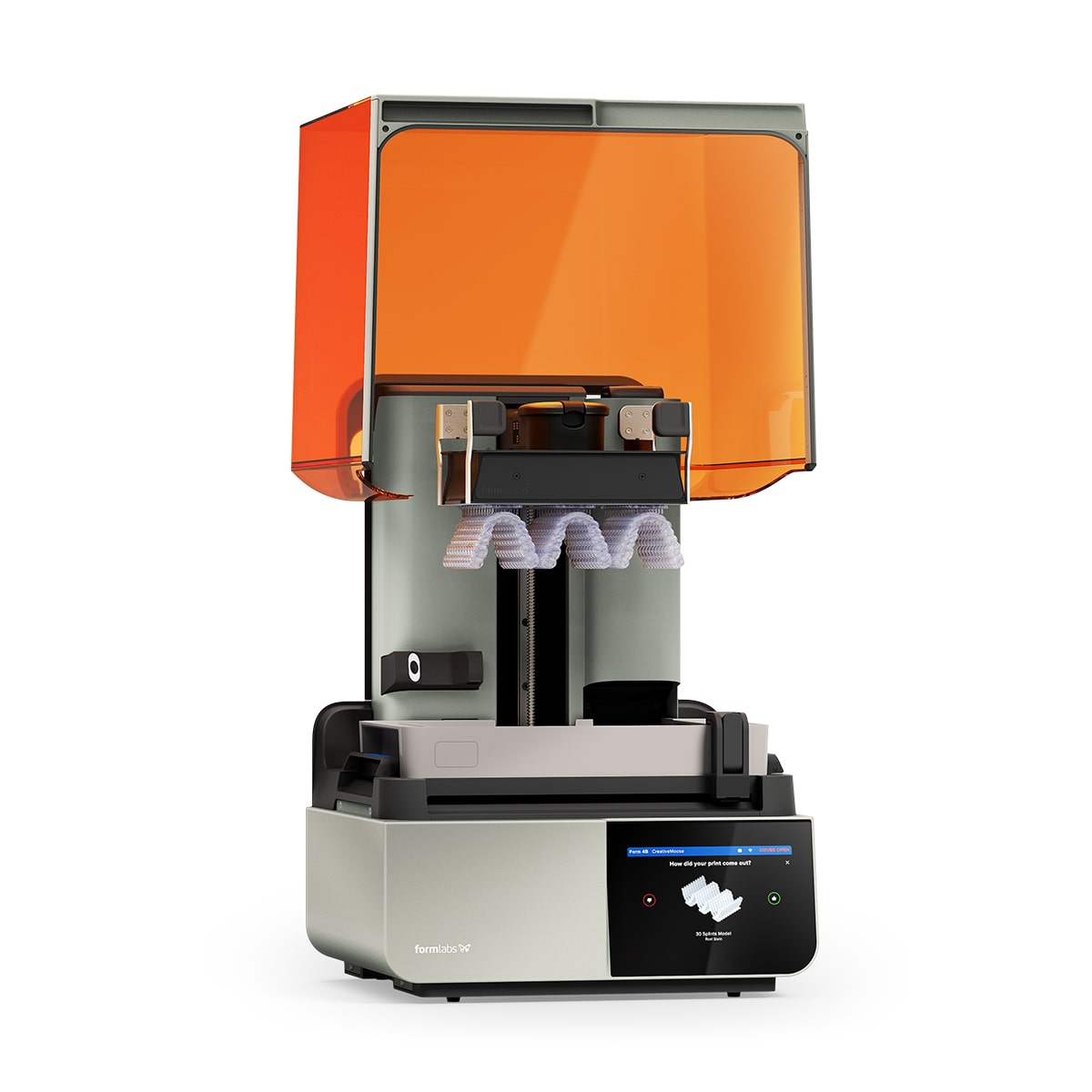
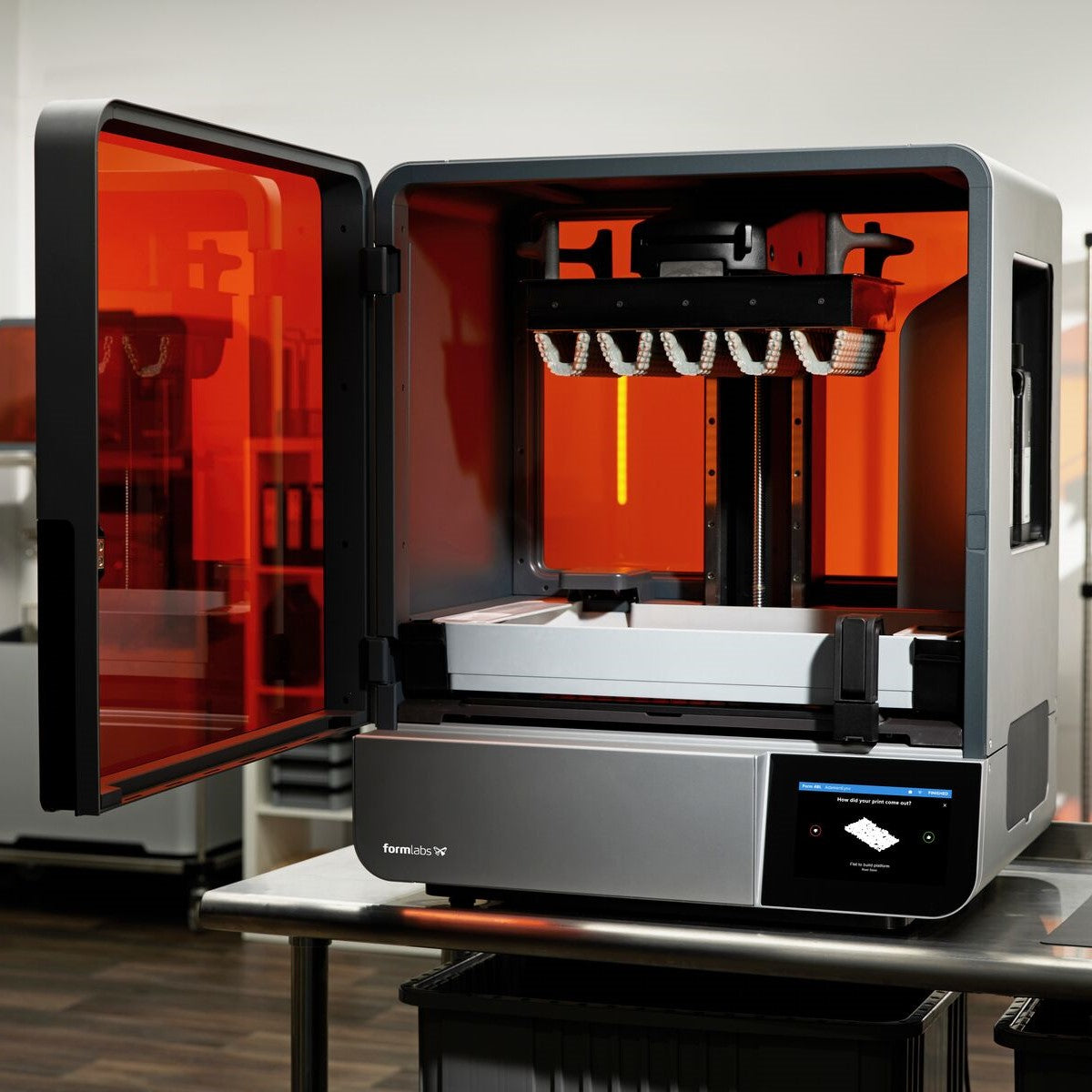
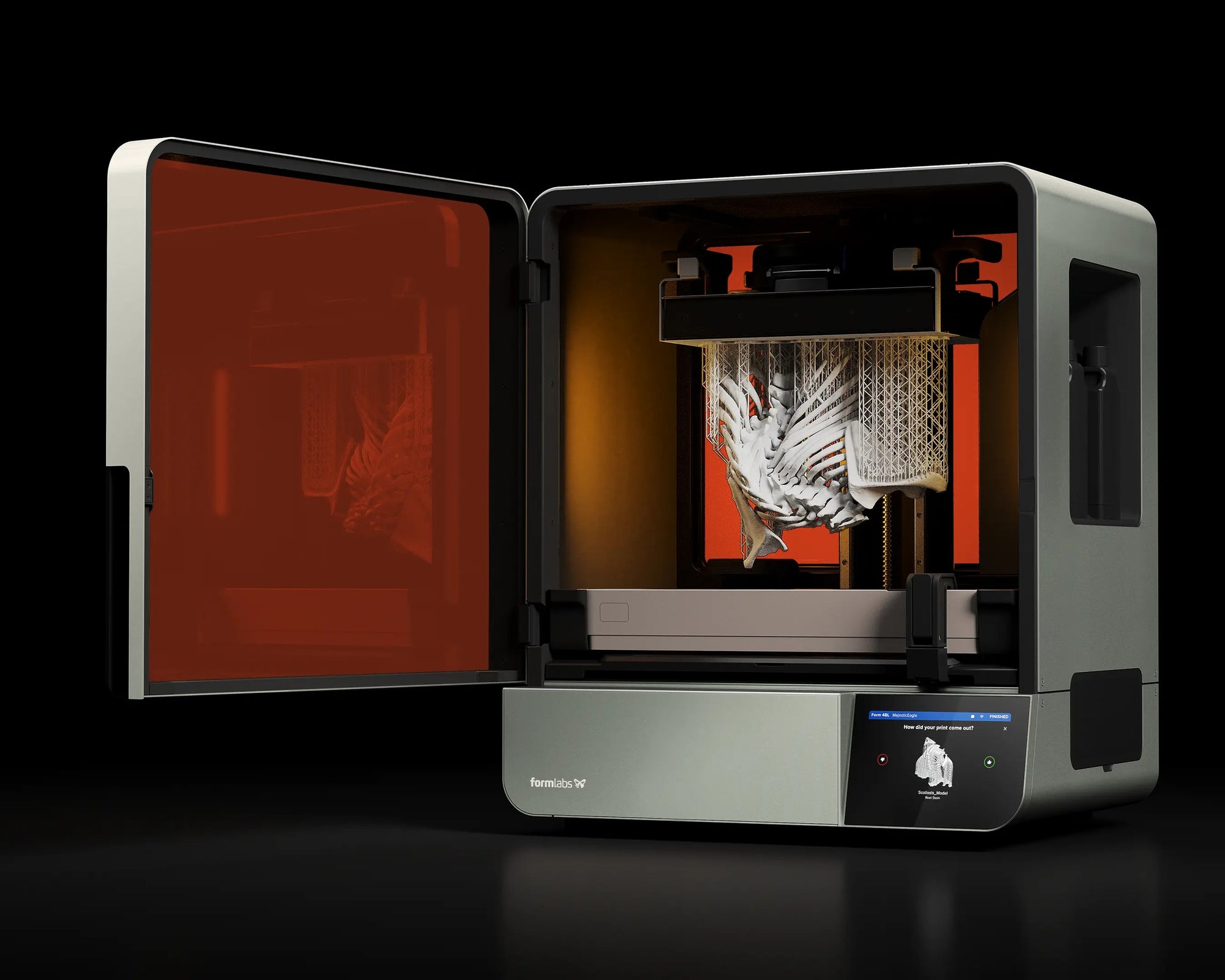
The Form 4B is a medical printer with a 200 × 125 × 210 mm build volume, while the Form 4BL provides a much larger 353 × 196 × 350 mm build volume. Both support Formlabs biocompatible and non-biocompatible resins.
Information for Practitioners and Procurement
3D Printing for Medical Applications
Medical 3D printing can shorten development cycles and allow complex or patient-specific geometries to be produced without costly conventional manufacturing.
Depending on the material and post-processing workflow, medical 3D printing can be used for the below applications.
Example Medical Applications
Anatomical Models
Produce detailed physical models from medical imaging or digital data for visualisation, planning, education, training or product development.
Medical Device Development
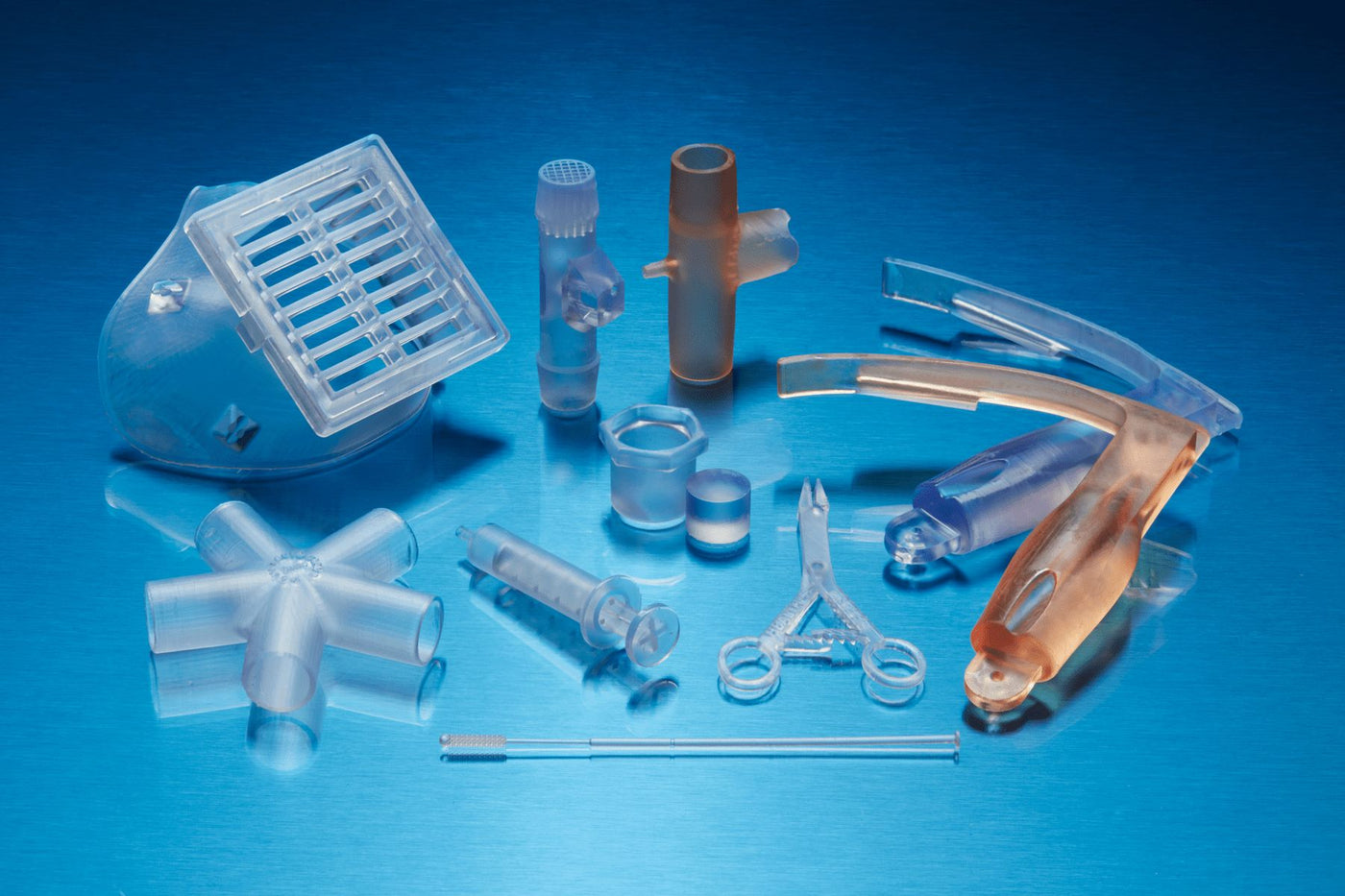
Rapidly manufacture prototypes and design iterations for medical devices, instruments, housings and other healthcare products before progressing to full-scale production.
Surgical Guides and Instruments
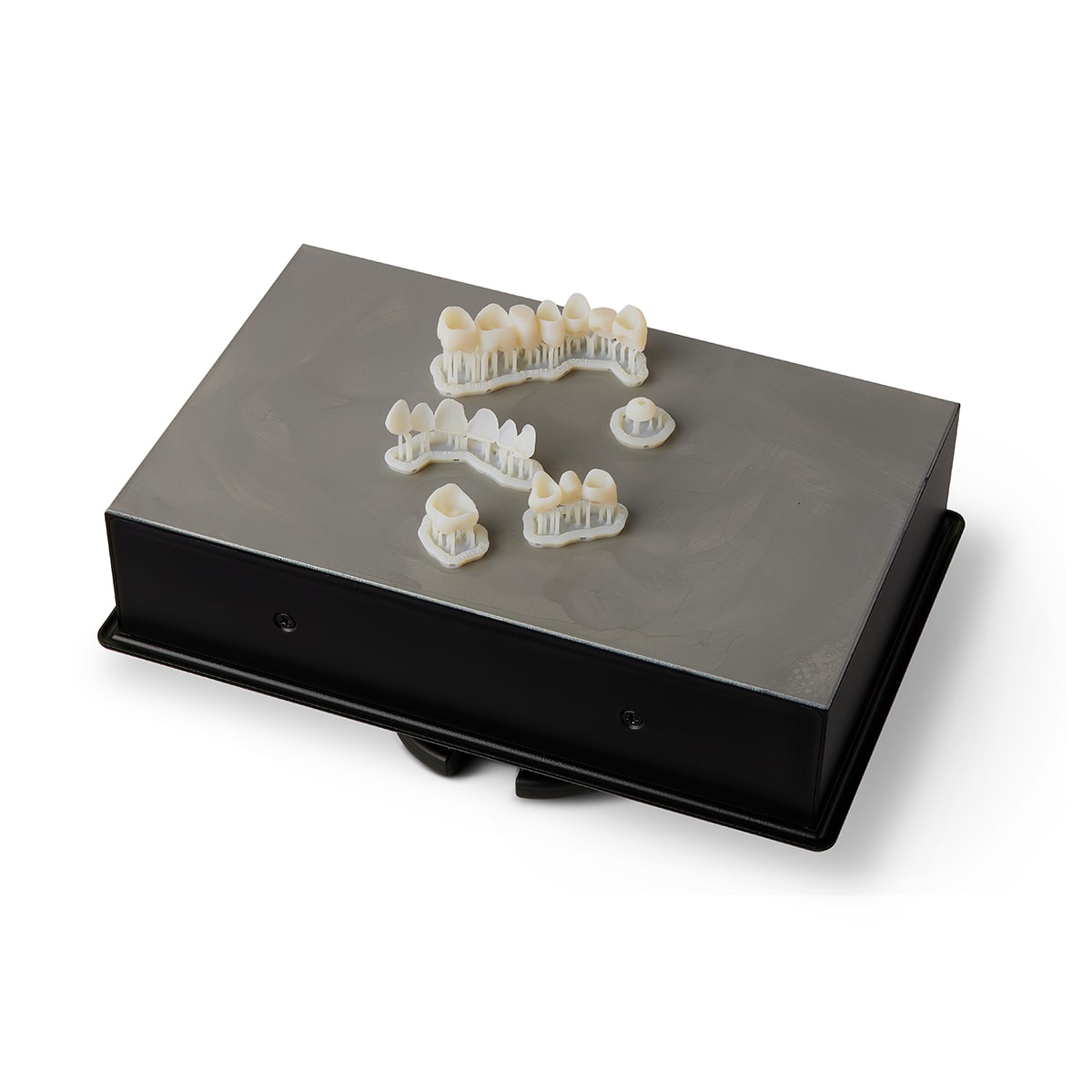
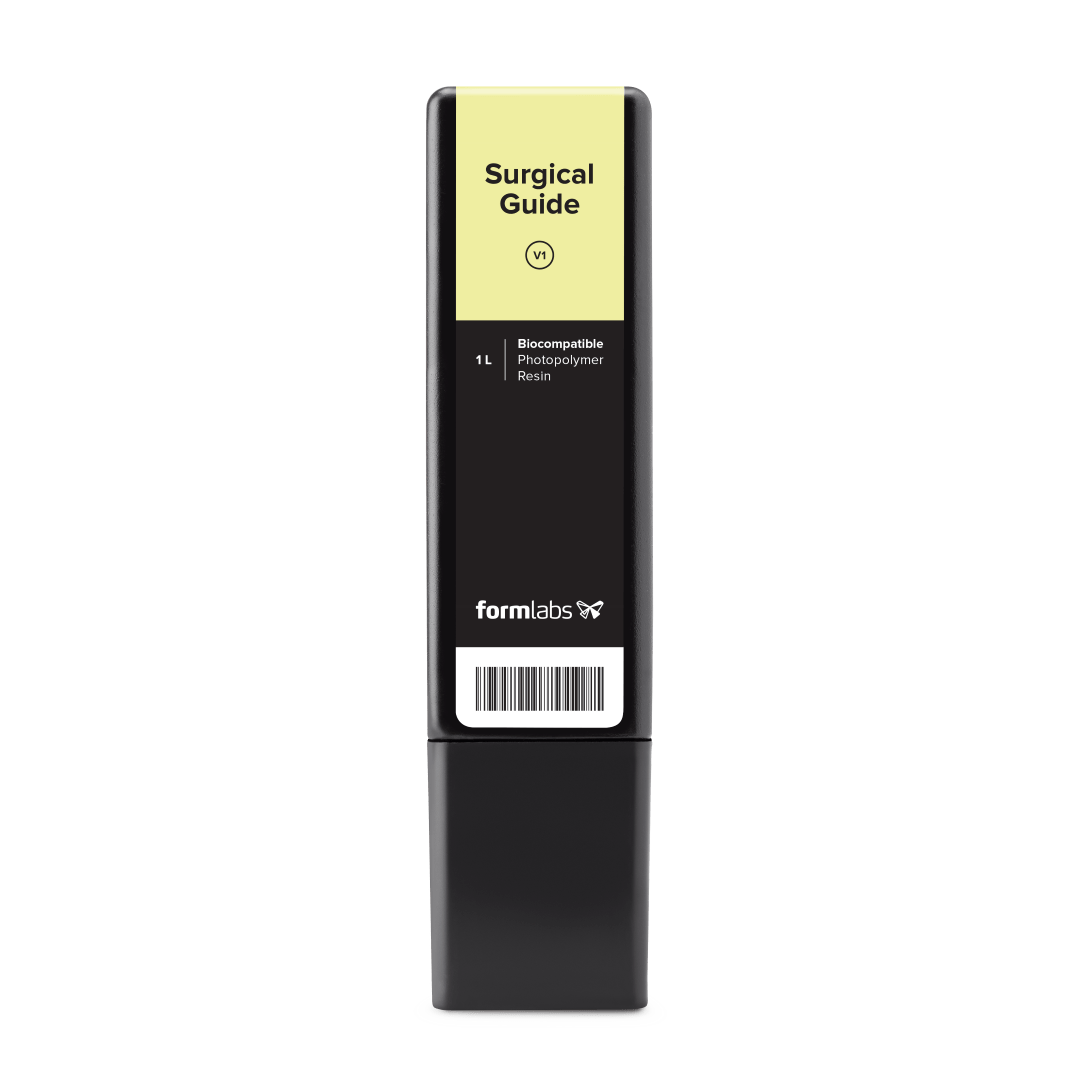
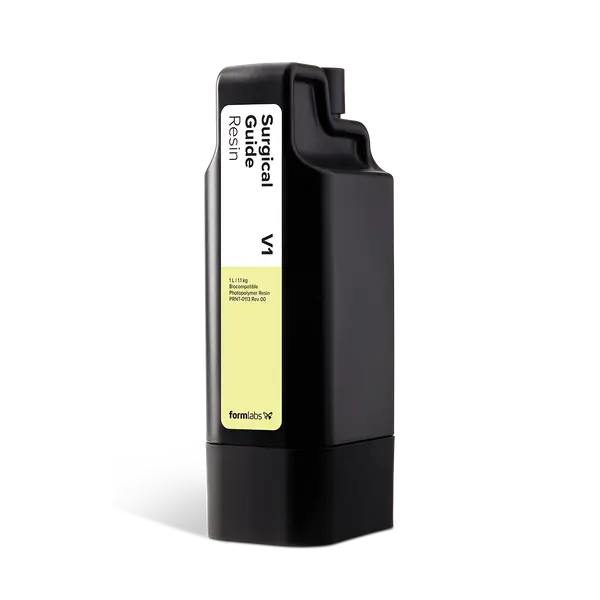
Compatible biocompatible materials can be used for surgical guides, templates and other clinical applications when processed according to the material manufacturer's validated workflow. Formlabs Surgical Guide Resin can be used for both medical and dental applications.
Research and Education
Universities, TAFEs, hospitals, medical clinics, and research institutes can manufacture anatomical models, experimental components, fixtures and research equipment in-house.
Custom and Low-Volume Parts
3D printing is particularly useful where parts have complex geometry, require customisation or are needed in quantities that do not justify conventional production tooling for injection moulding. From our experience, Formlabs Form 4B/4BL printers are particularly useful for applications ranging from prototyping and clinical trials through to selected instruments and end-use medical devices, depending on the material and workflow.
Important note: biocompatibility or suitability for a medical application depends on the material, print settings, post-processing workflow and intended use. A medical-capable 3D printer does not by itself make every printed part suitable for clinical use. Always follow the applicable material documentation from the manufacturer.
Which Medical 3D Printer Should I Choose?
Form 4B vs Form 4BL
Choose Form 4B You primarily produce small to medium size medical parts, anatomical models, guides, prototypes or research components and do not require a large build platform.
Its smaller footprint and lower system cost make it the logical starting point for most medical and research applications.
Which Medical 3D Printer Should I Choose?
Form 4B vs Form 4BL
Choose Form 4BL if you need to print larger medical parts or significantly more components in each production run.
The Form 4BL uses the same general workflow as Form 4B but provides a 353 × 196 × 350 mm build area, allowing much larger parts or higher-density batch production.
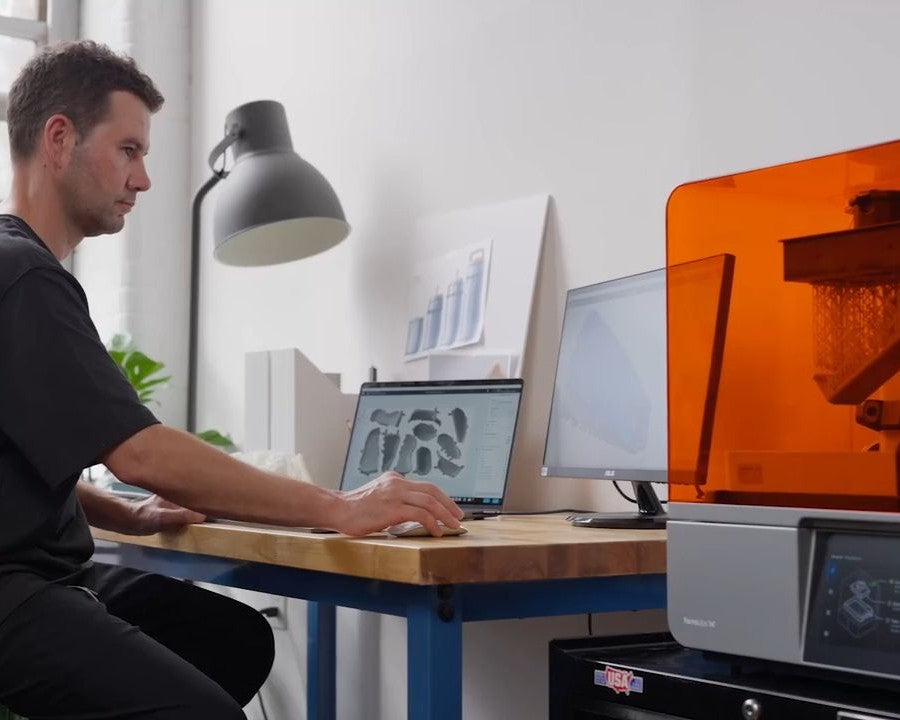
Formlabs SLA Process
A Complete Medical 3D Printing Workflow
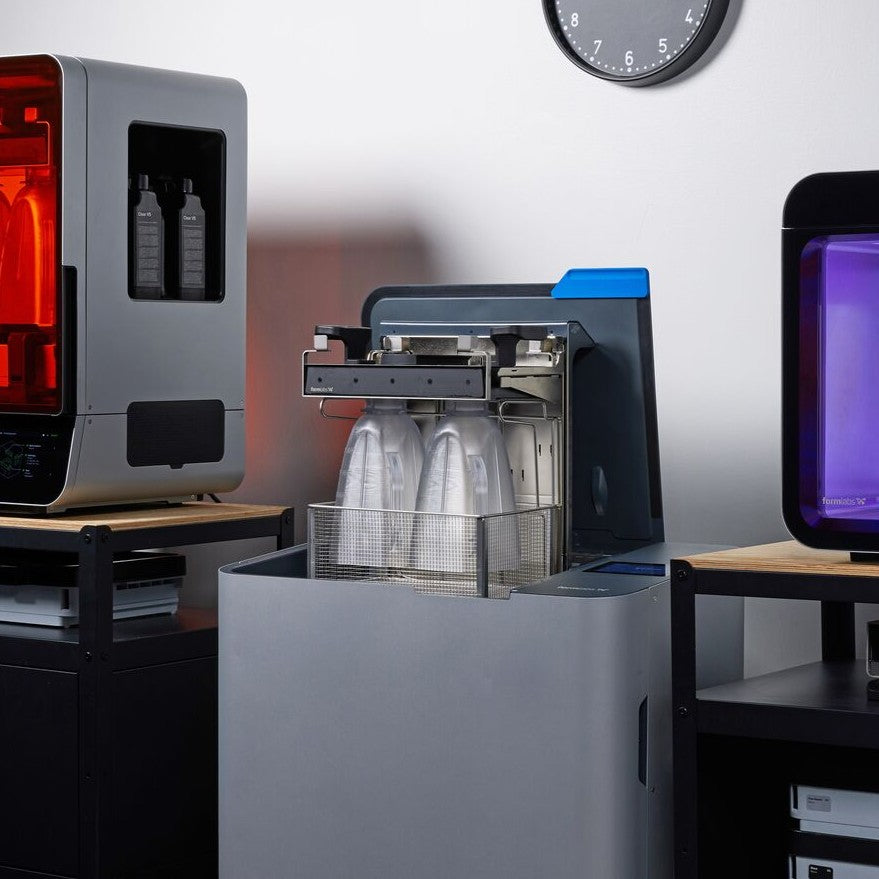
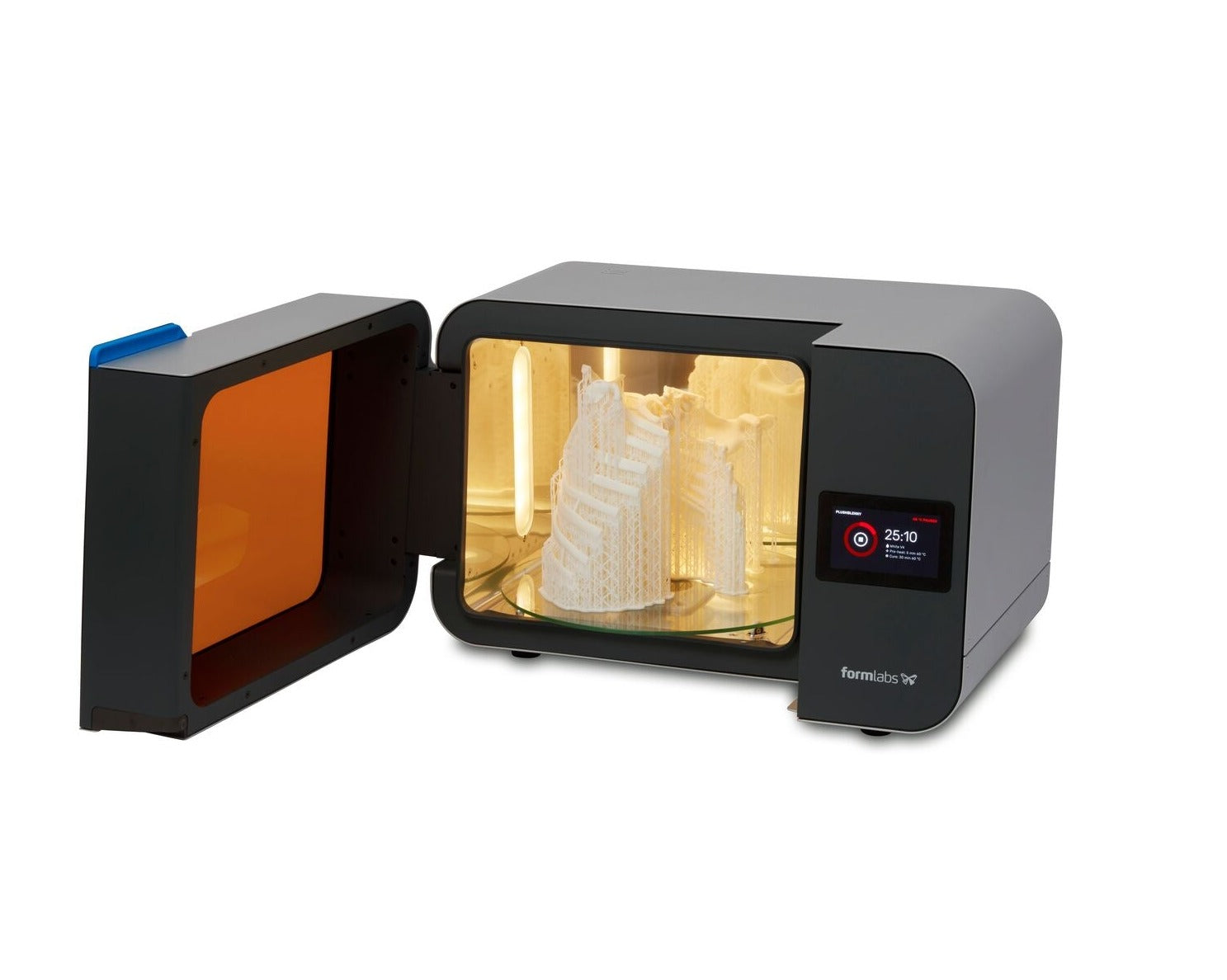
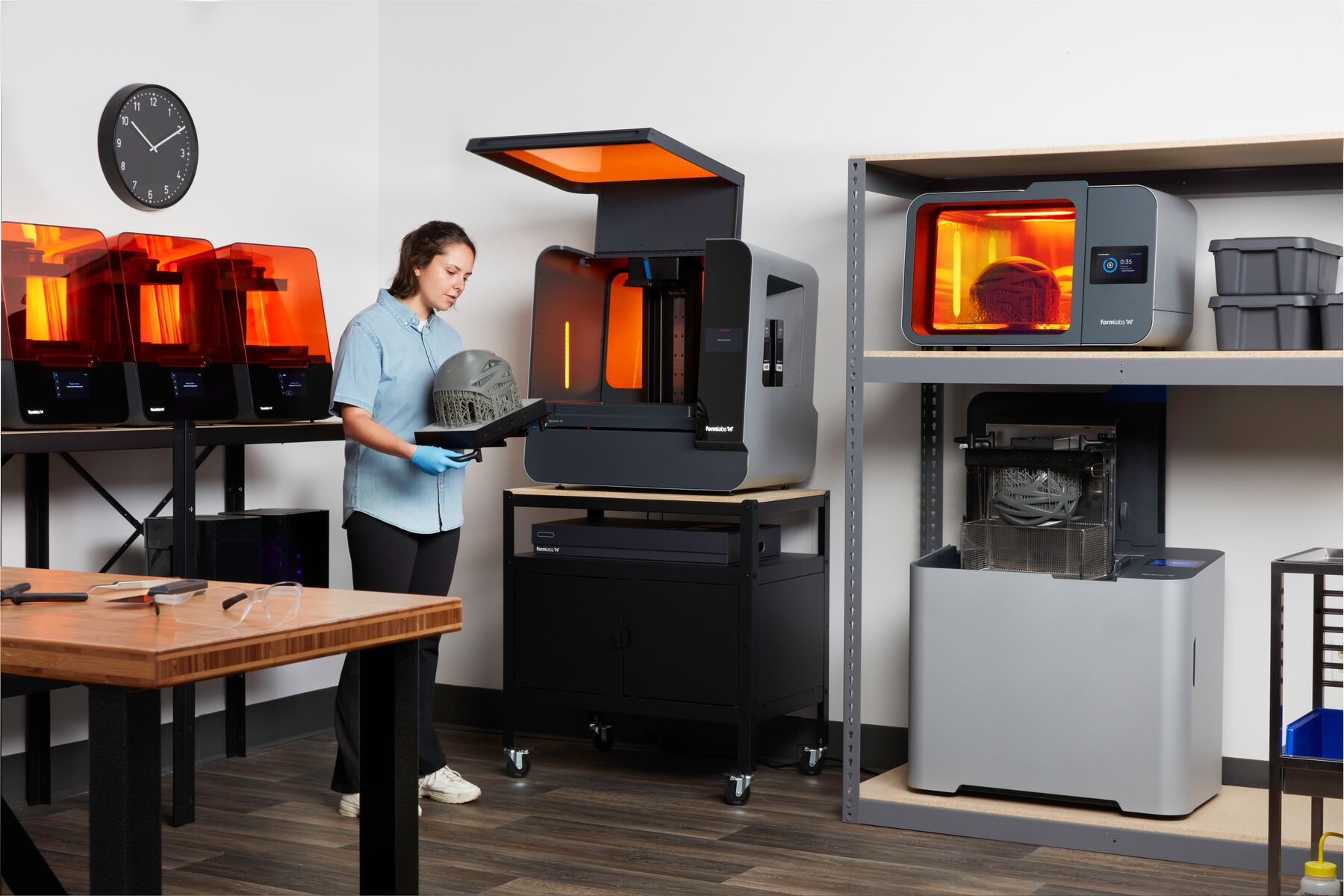
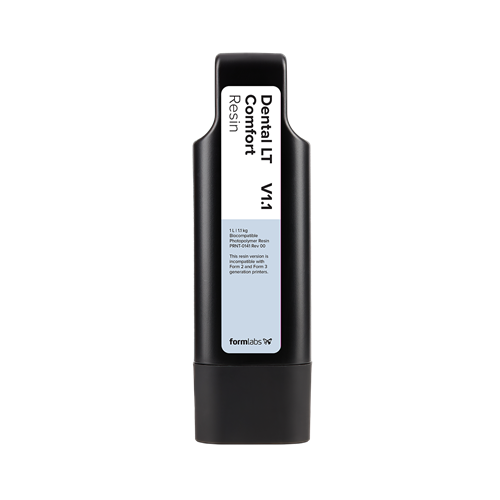
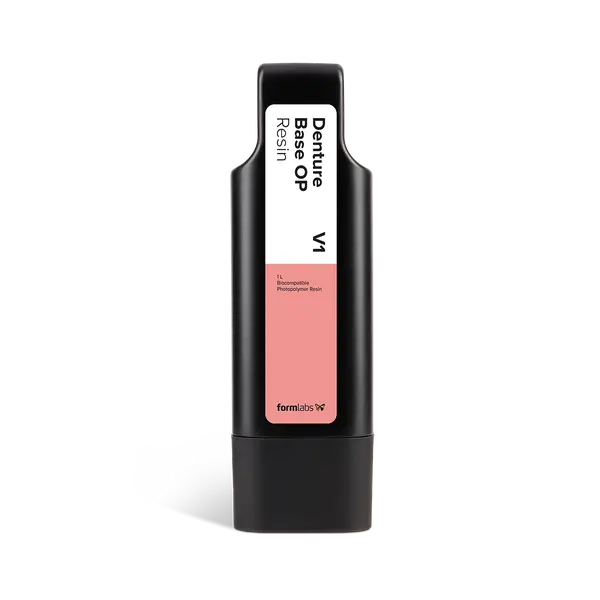
BioMedical & Dental Resins
Medical 3D Printing Materials
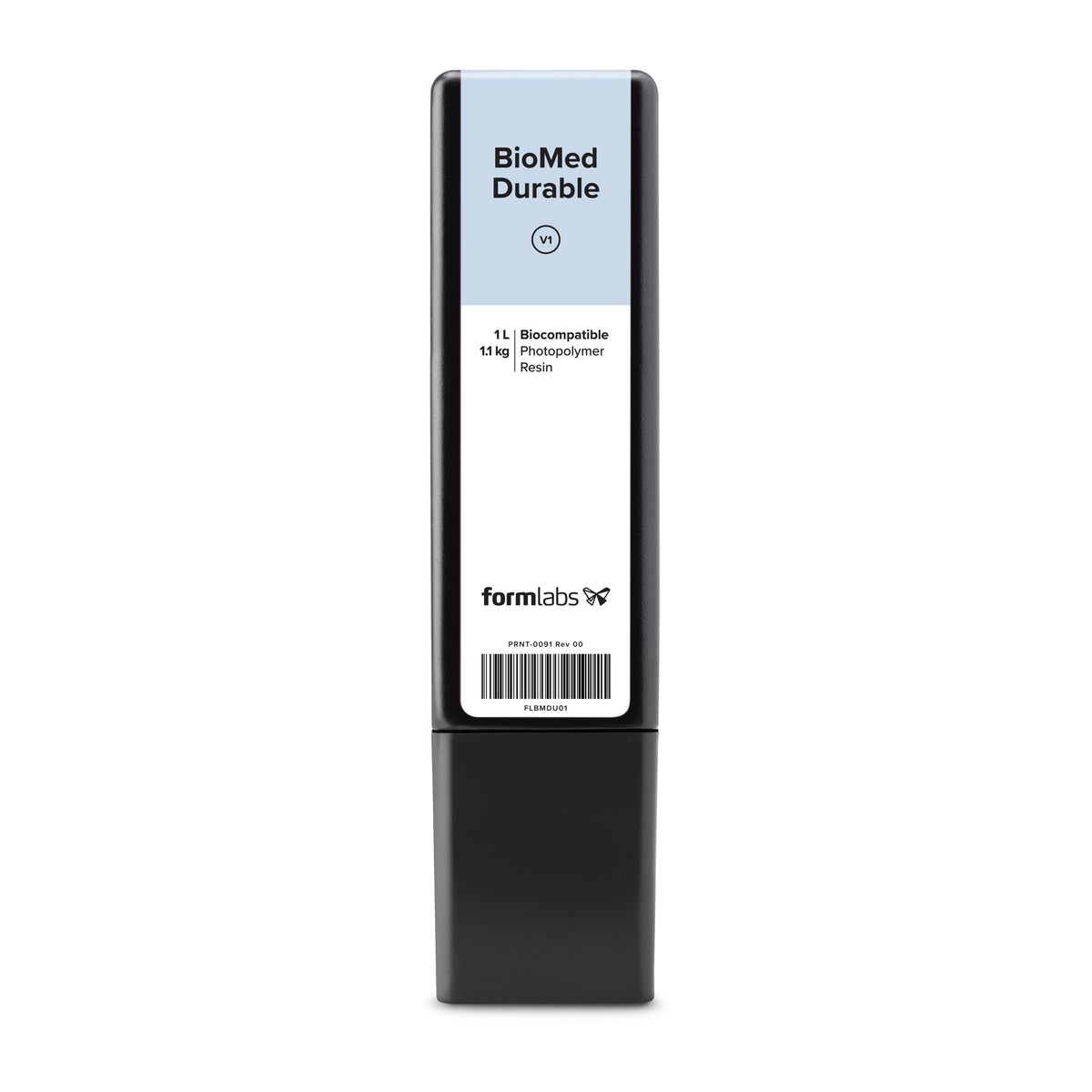
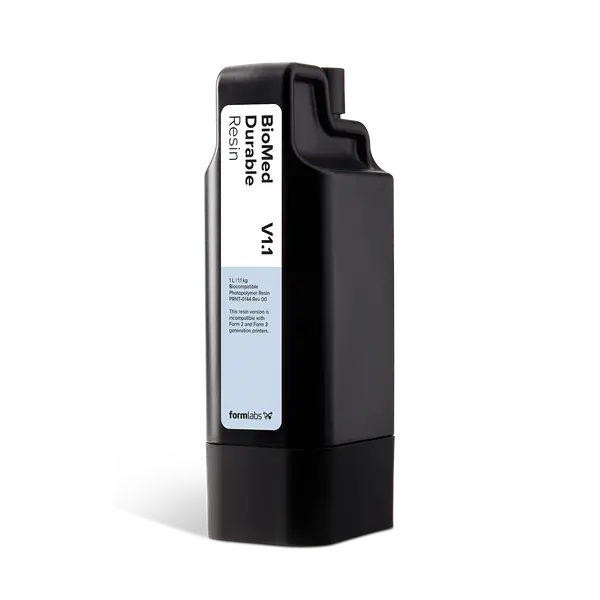
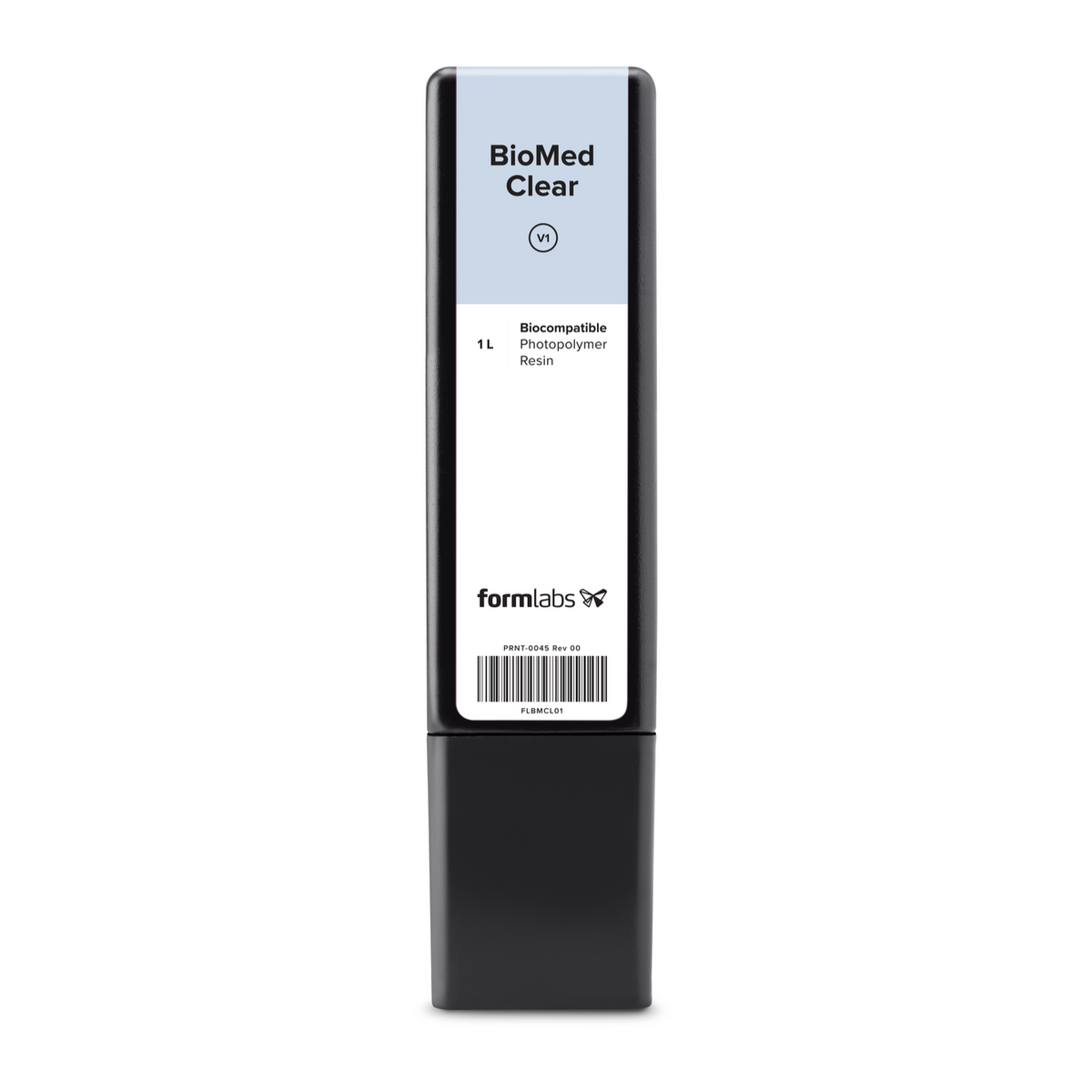
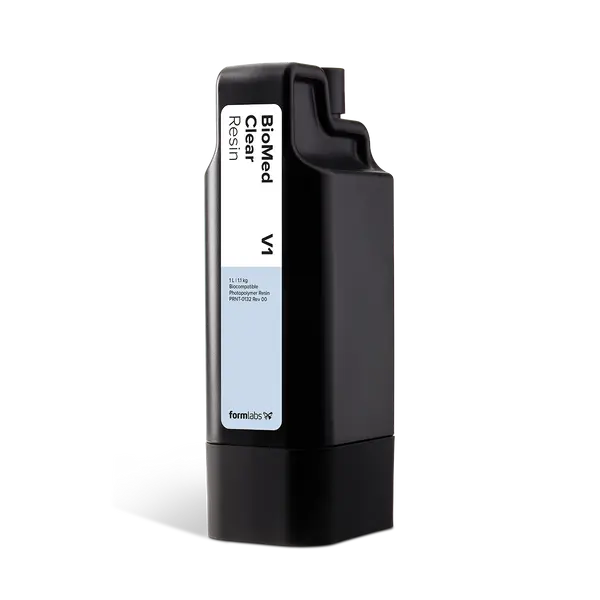
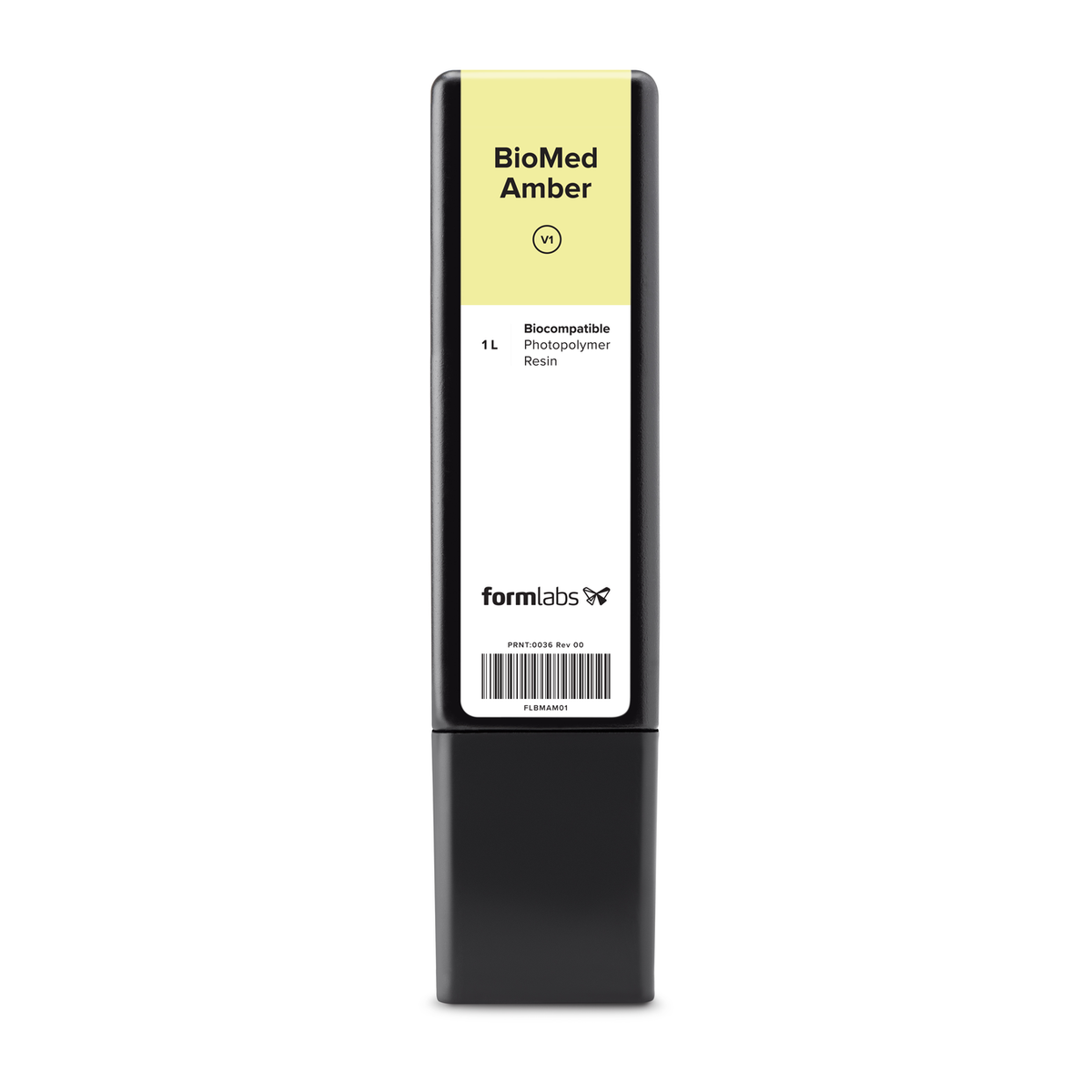
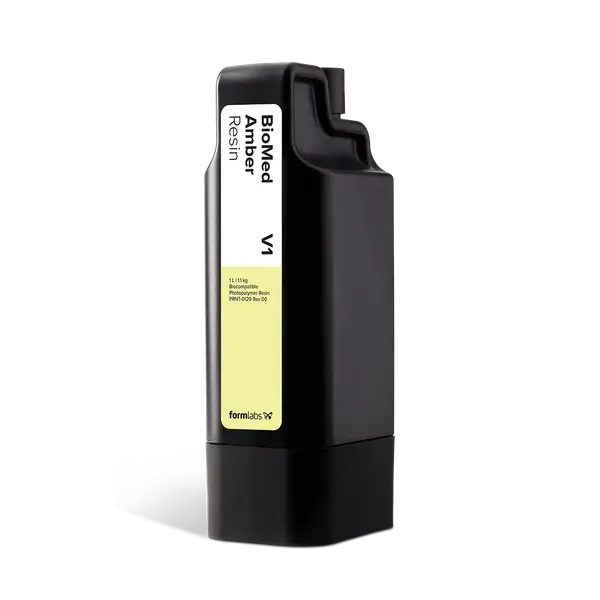
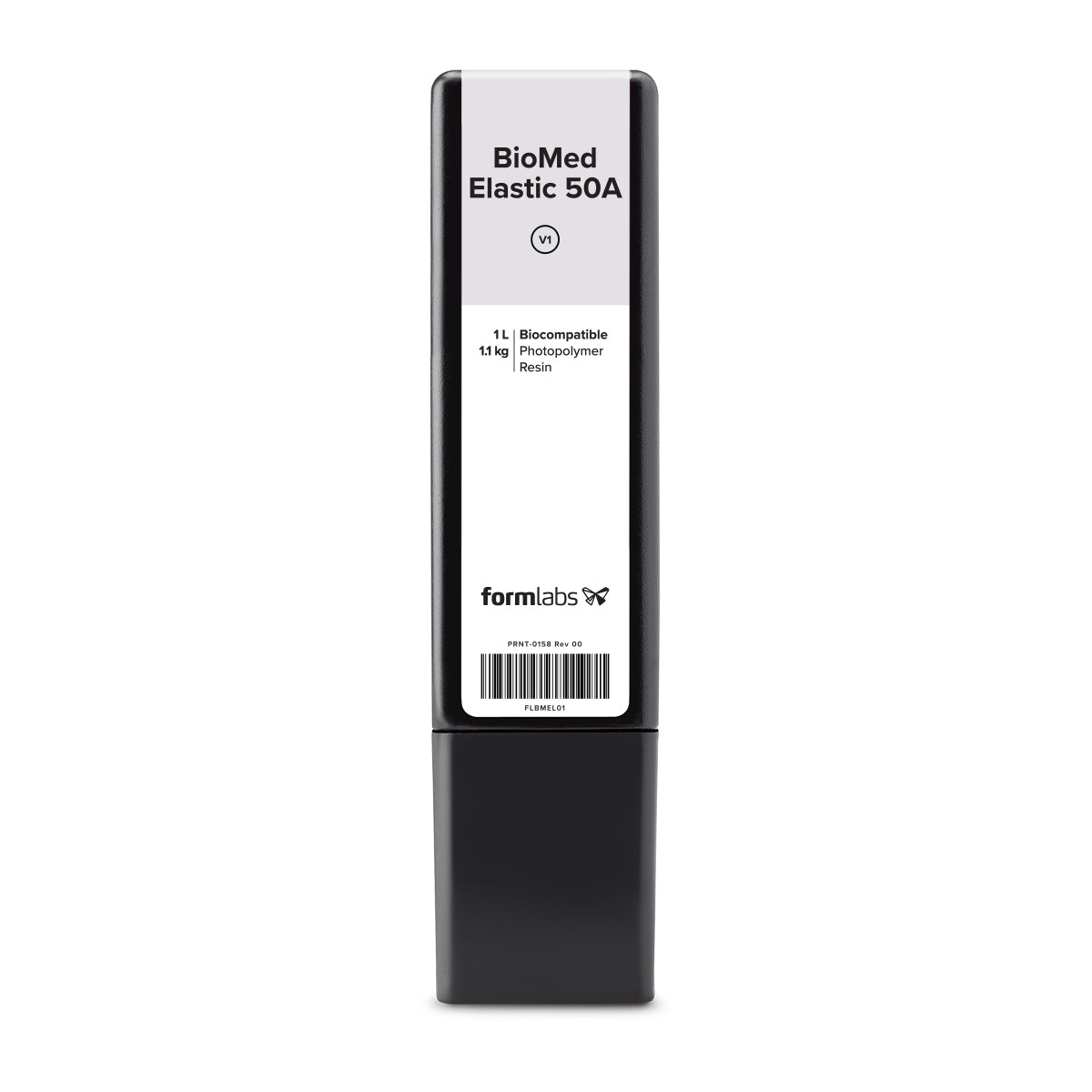
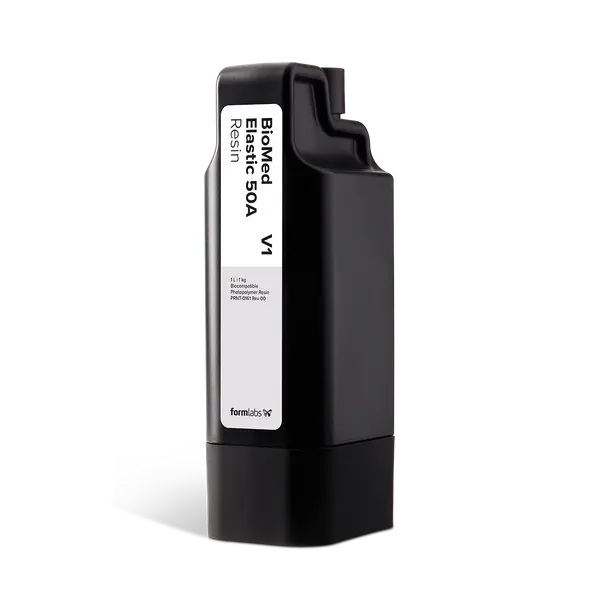
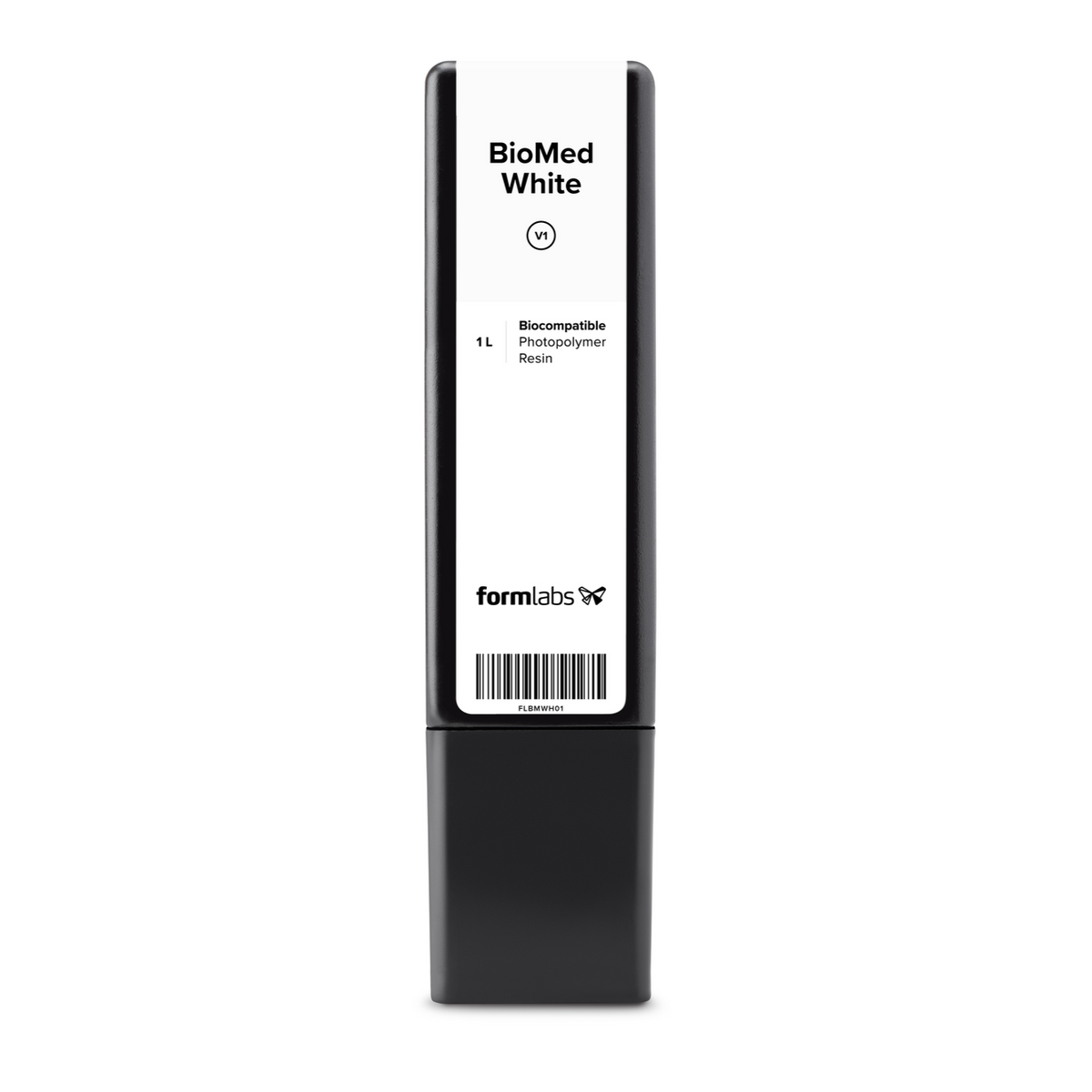
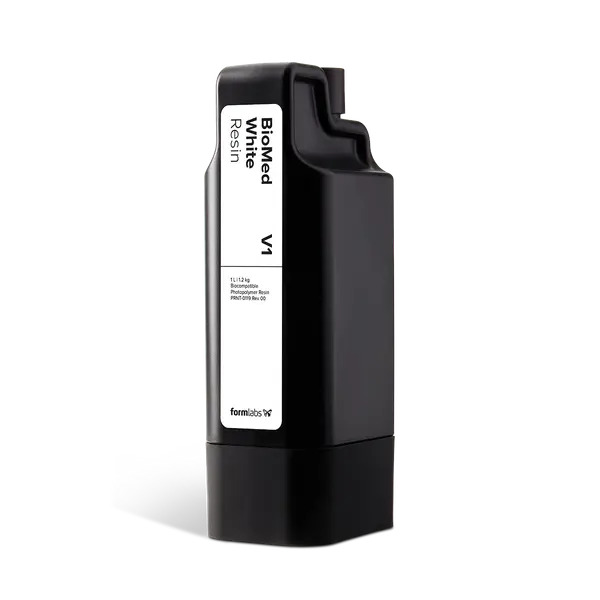
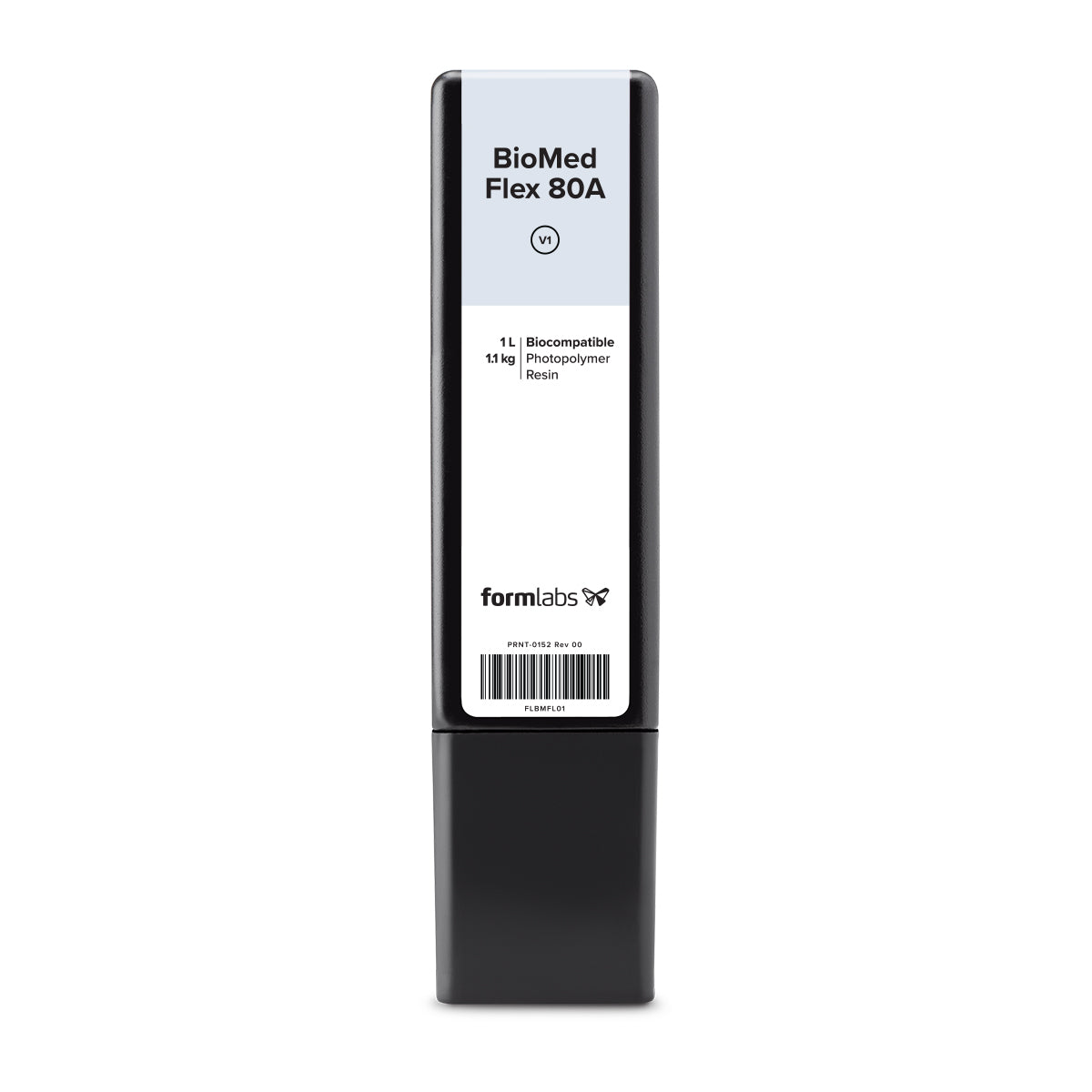
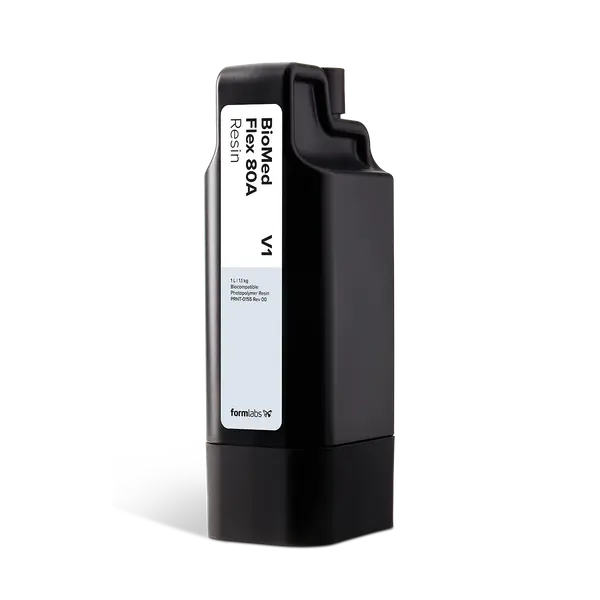
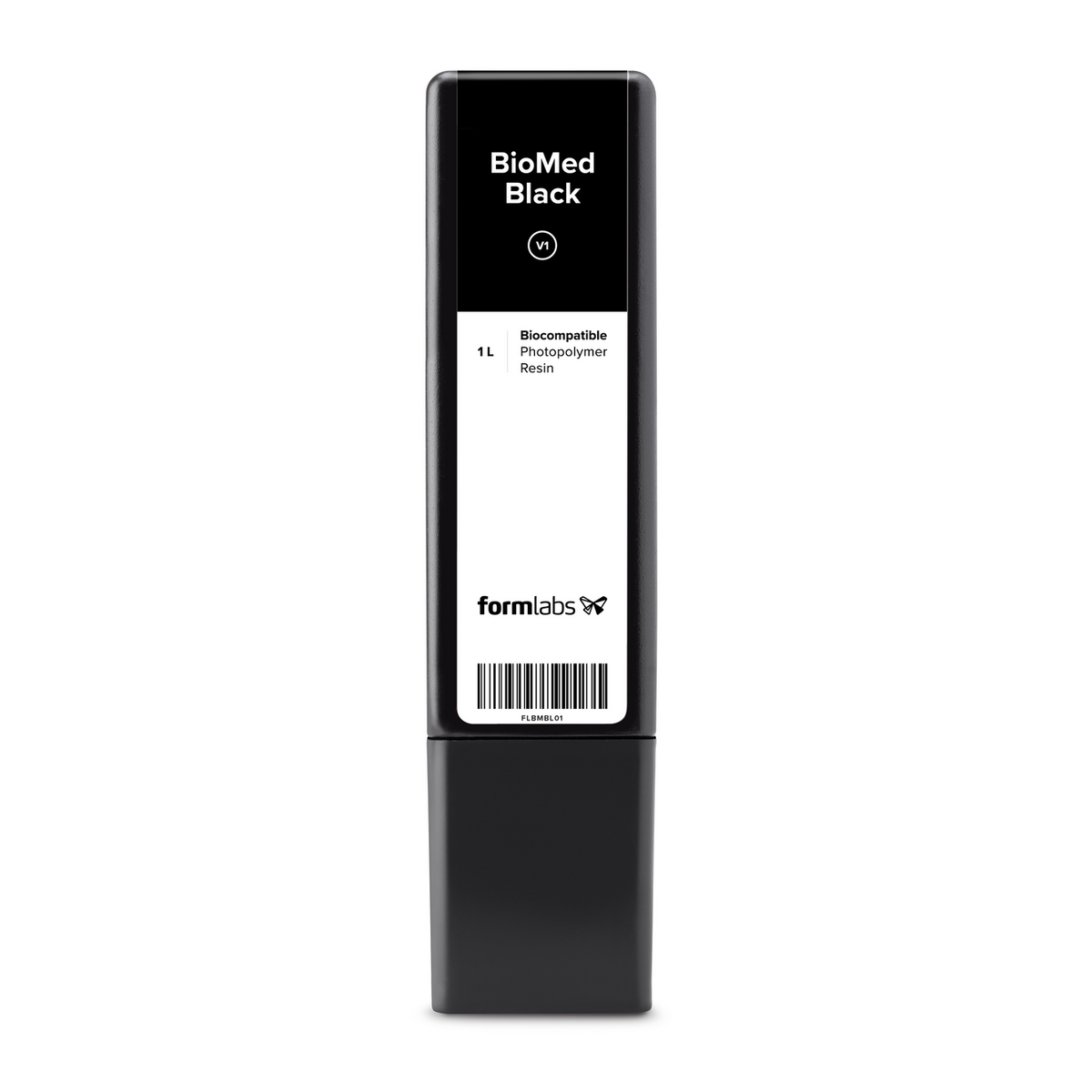
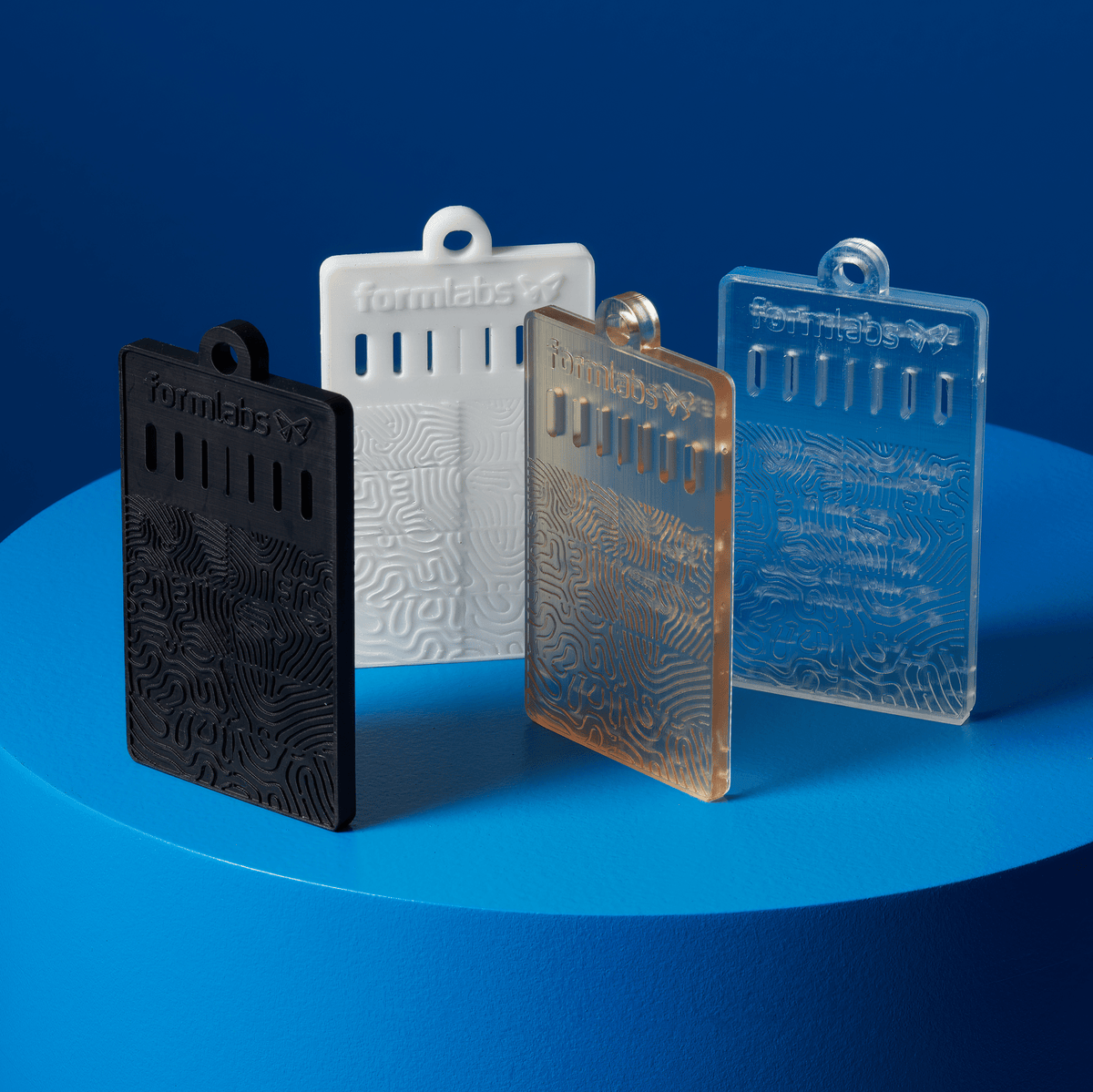
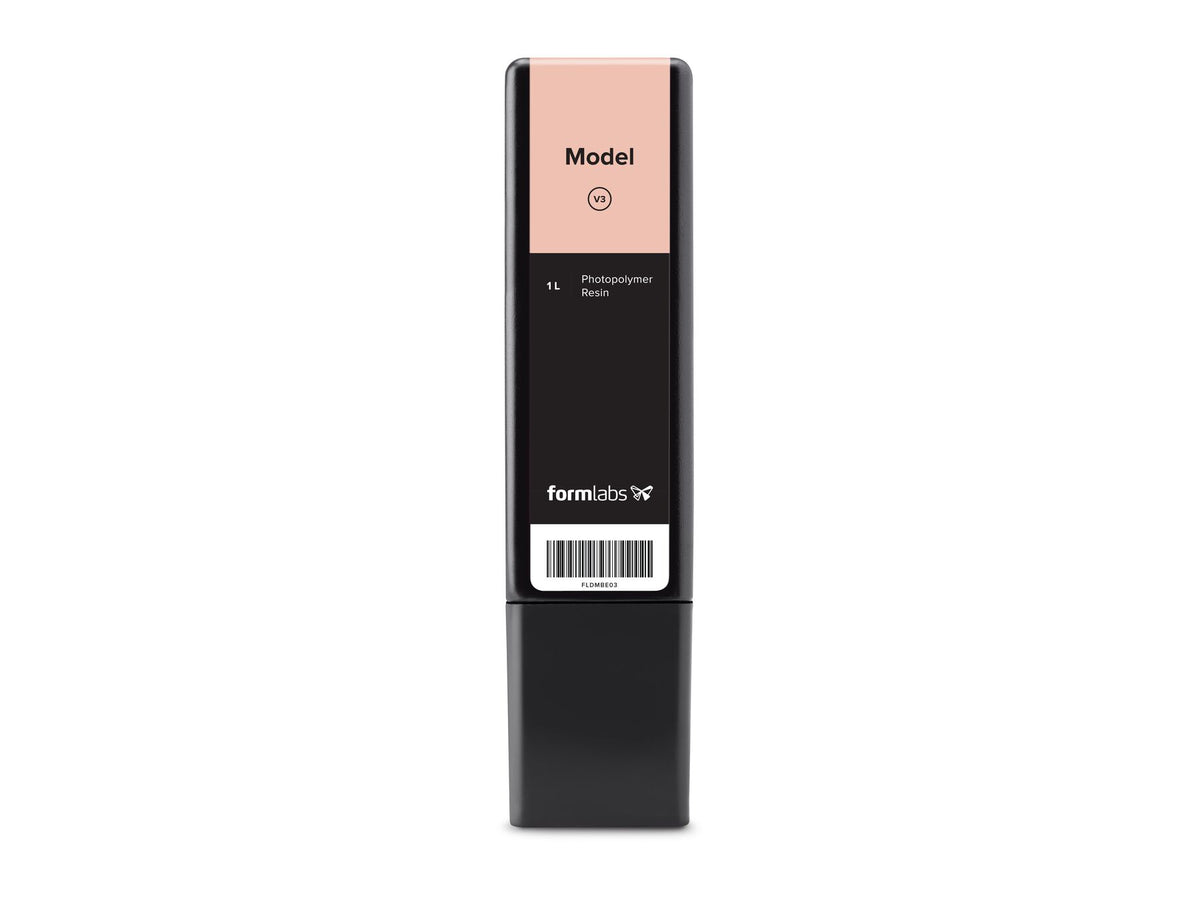
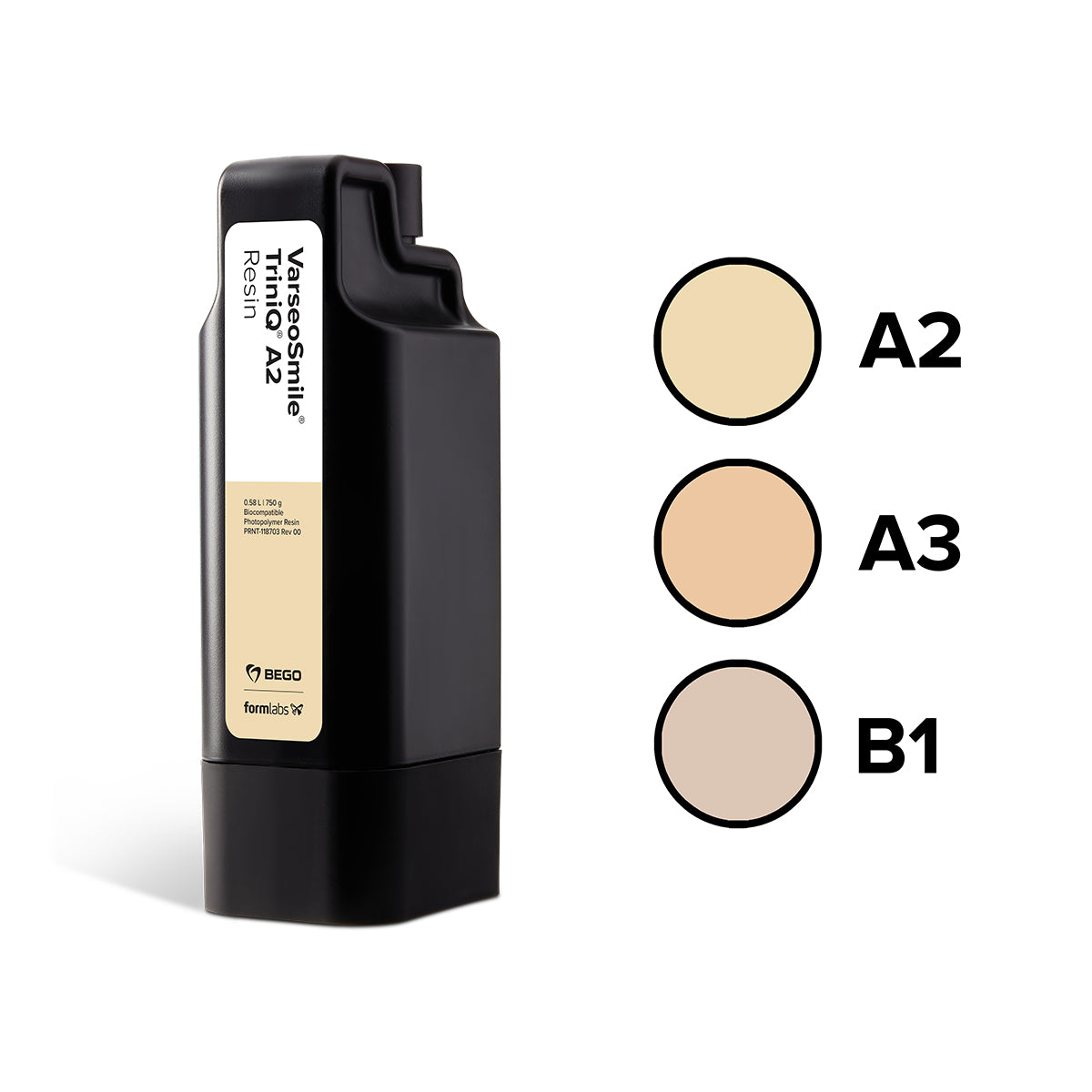
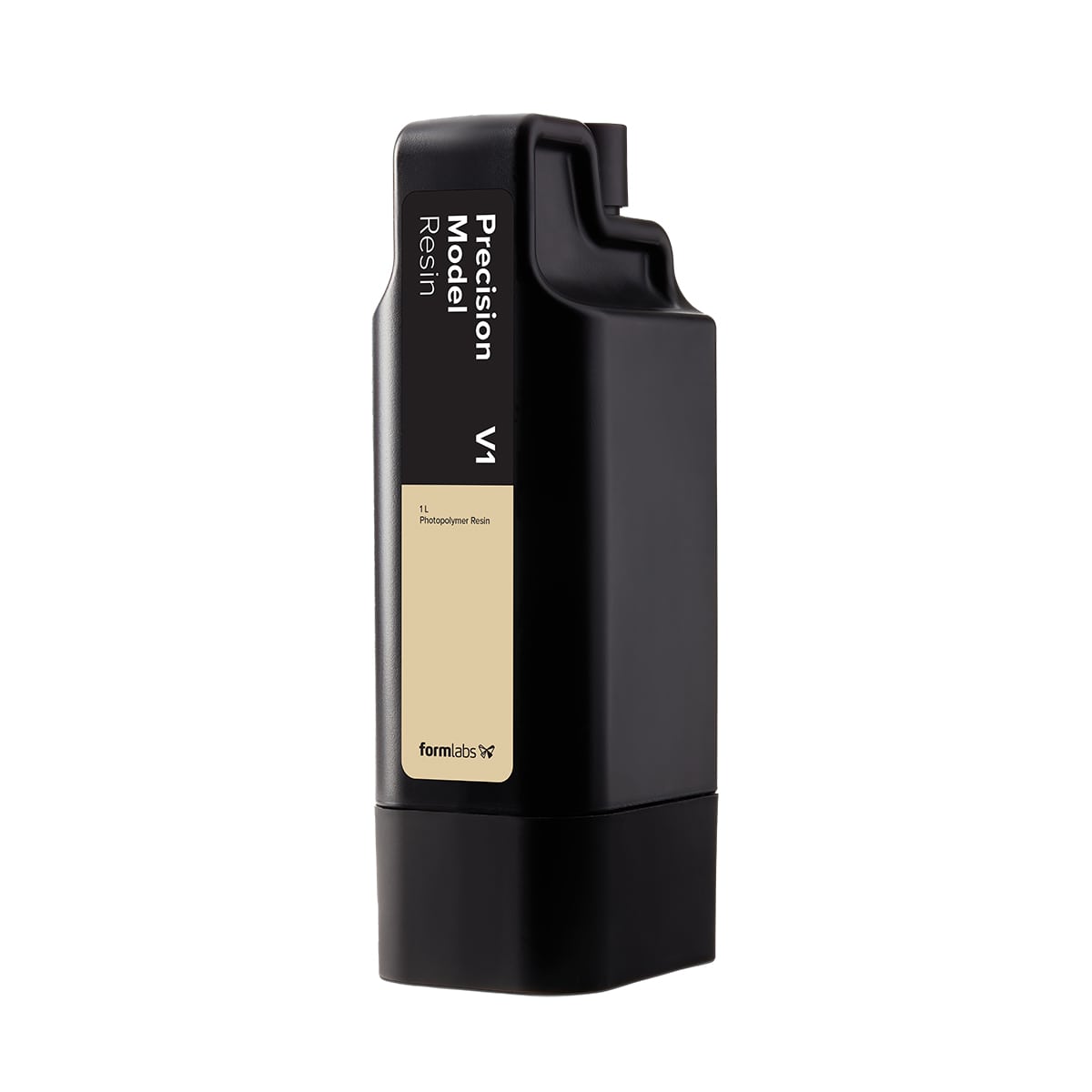
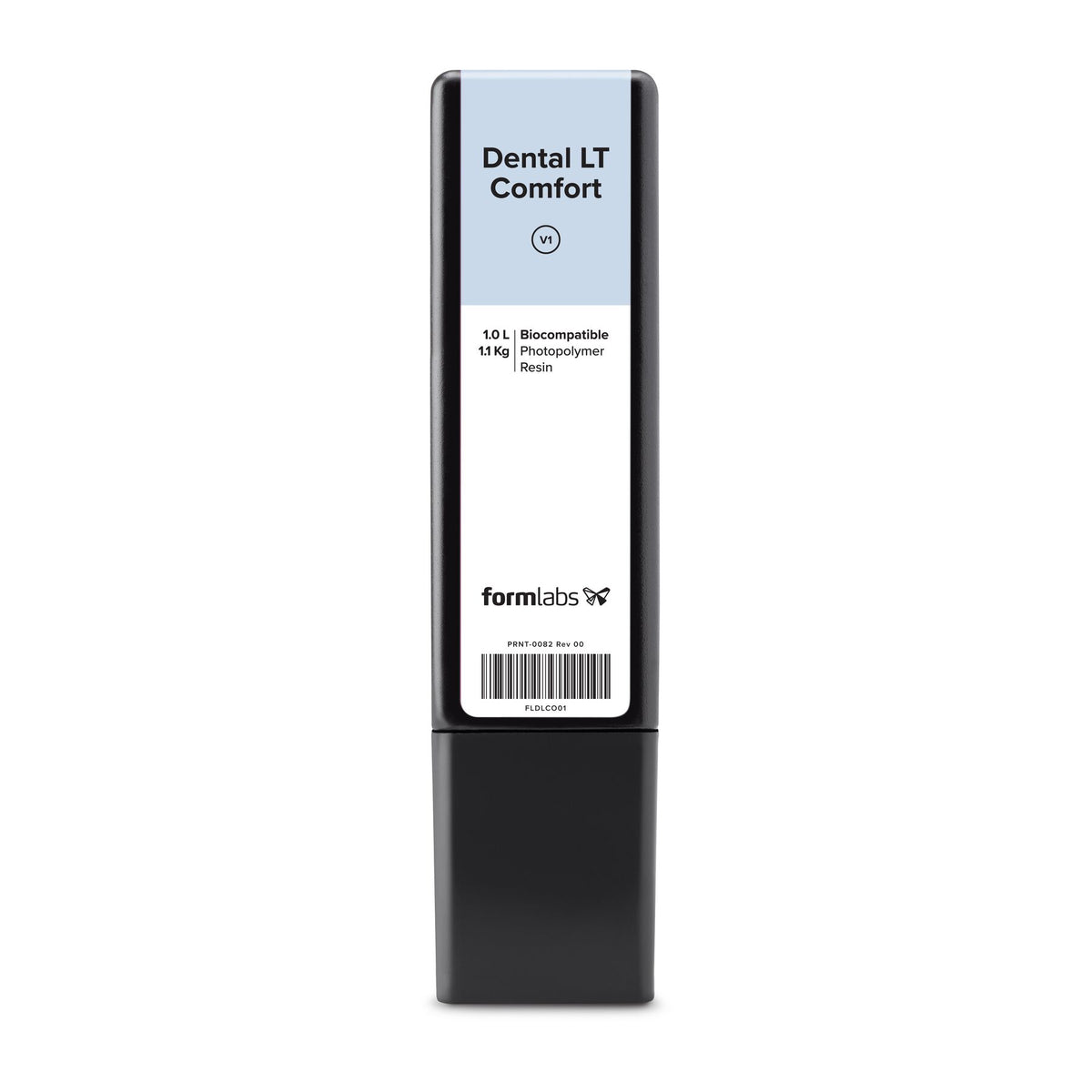
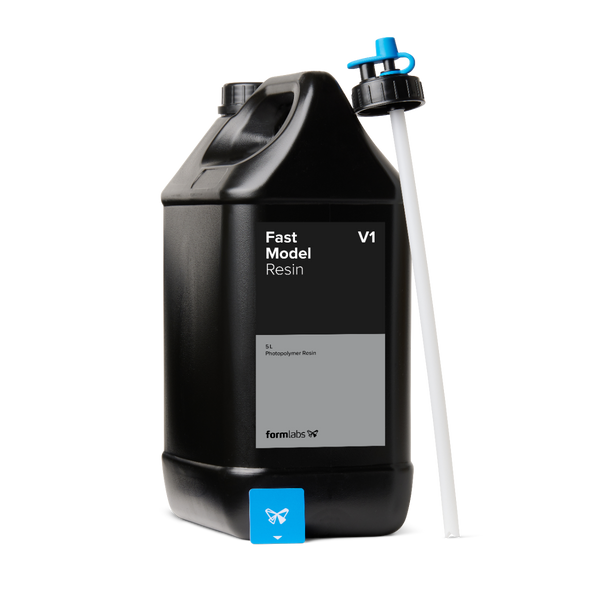
One of main advantage of the Formlabs medical ecosystem is the range of application specific resins available for the medical printers. Formlabs' BioMed range includes materials such as BioMed Clear, BioMed White, BioMed Black, BioMed Amber, BioMed Durable, BioMed Flex 80A and BioMed Elastic 50A.
Depending on the application, materials are available with properties such dimensional stability, transparency, flexibility, toughness, and rigidity. Form 4B and Form 4BL printers also come with Open Material Mode for even more material options.
Each material has specific biocompatibility including sterilization, disinfection compatibility, and suggested use cases. Contact our team to discuss further or view the TDS and SDS for each material here.



Speak With Perth's 3D Printer Experts
Discuss Your Medical 3D Printing Application
Choosing the right medical 3D printing system starts with understanding the application.
Let us know what you need to produce, the approximate part size, expected production quantity and any specific material or biocompatibility requirements. We can help determine whether Form 4B, Form 4BL or another manufacturing process is appropriate.